Average Cost of Advertising for a Small Business: Enough Budget for Foundation Leads?
The average cost of advertising for a small business can feel confusing when you just want more foundation leads and more booked inspections. Many contractors spend money, get a few clicks, and then wonder why the phone is quiet. This post is here to stop that cycle.
You do not need fancy words or complicated reports. You need a clear plan for budget, a page that turns visitors into calls, and a simple way to tell if the leads are worth it. If you want help setting up a clear plan, start with foundation repair PPC advertising.
If you want steady foundation leads, your budget must be big enough to create real chances for calls and form requests each week. The average cost of advertising for a small business depends on your service area, competition, and how strong your page and follow up are. Start with a clear weekly goal, measure results, and adjust in small steps.
What the average cost of advertising for a small business really means
When people talk about cost, they often mix different things together. Here is the simple version.
For foundation repair and waterproofing, trust matters. Homeowners are scared and they want proof fast. If your page looks weak or your phone goes unanswered, your money disappears.
You may also see phrases like google advertising cost for small business when researching. It sounds general, but for foundation leads it changes based on your city, your service mix, and how strong your offer is.
How much do small businesses spend on advertising each month?
How many booked inspections do you want each month, and how quickly do you need them?
To keep it simple, here are three budget levels you can think about.
If you are asking how much do small businesses spend on advertising, the honest answer is that it depends on goals and capacity. A small company that wants two booked inspections a week spends very differently than a company trying to book ten.
If you want a simple, trusted way to think about setting a marketing budget, the U.S. Small Business Administration marketing budget guide is a good reference.
Here is a quick way to choose a starting point in about ten minutes.
If you keep searching how much do small businesses spend on advertising, you will see wide ranges. That is normal. Your best number is the one that matches your market and your team.
Google Ads: when it works best for foundation leads
Google works best when people are already looking for help. They are searching because there is a problem right now. This can be a strong source of leads if you stay focused.
Many contractors start by looking up google ads for small business and then copy what they see online. That can waste money fast. The goal is not to get more clicks. The goal is to get more calls from homeowners who are ready to schedule.
Here is a simple plan that works for many foundation and waterproofing companies.
If you want a deeper guide for improving results, see effective Google Ads campaigns for foundation repair.
Also, if you want to understand how daily budgets can spend more on some days and less on others, Google explains it clearly in Google Ads Help on average daily budget and overdelivery.
If you are learning how to use google ads for small business, start small and clean. One service. One clear offer. One strong page. Then improve step by step.
You will also run into questions about google advertising cost for small business here. The cost goes up when you target too many areas at once, or when your page is not strong enough to turn visits into calls.
Google vs Meta Ads for foundation leads
Google and Meta can both work, but they work for different reasons.
When Google is usually the better choice
Google is best when the homeowner already has a problem and is searching for help. This often leads to higher intent calls. If you want fast leads from people who are actively looking, Google is usually the first place to focus
This is why many contractors searching google ads for small business end up spending most of their budget there first.
When Meta is usually the better choice
Meta is great for staying in front of homeowners in your area so they remember you. It can also work well for retargeting, which means showing your brand again to people who already visited your site. It can help fill the gap when search leads slow down.
If you want to see how Meta can support your lead flow, read Facebook ads for foundation contractors.
A simple split that is easy to manage
If you want the clean version of how to use google ads for small business and Meta together, it is this: use Google for demand that already exists, and use Meta to build demand and trust over time.
Stop wasting money on clicks with a better page and better follow up
Even a good budget can fail with a weak page or slow response.
Landing page best practices that turn visits into calls
Use this simple checklist.
If you want to tighten your page and get more calls without increasing spend, read landing page optimization for foundation leads.
If you are comparing google ads for small business results and you are not getting calls, the page is often the real problem.
Fast response is part of your budget plan
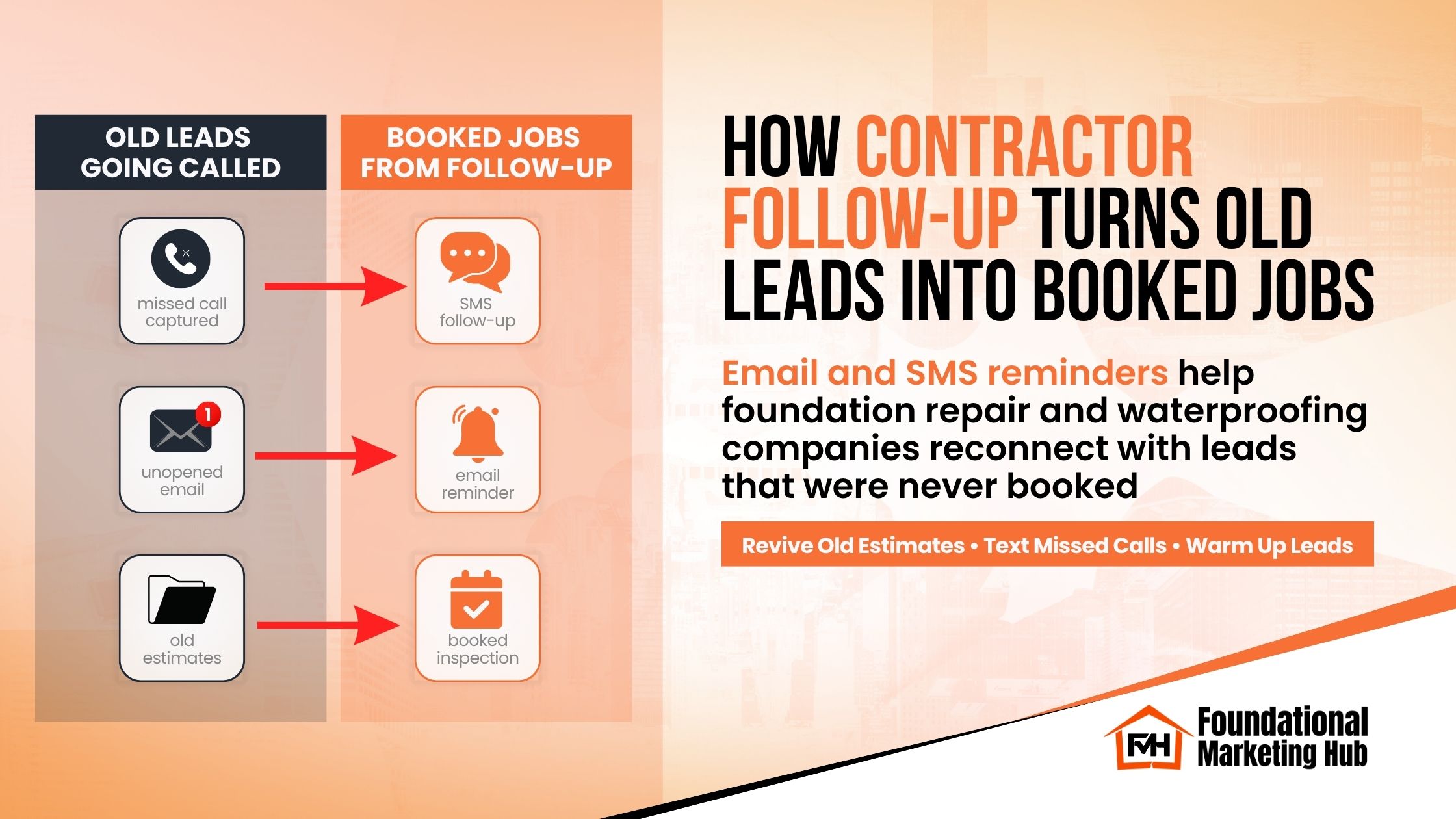
If a homeowner calls and no one answers, your budget just bought nothing. If a form comes in and nobody follows up until tomorrow, the lead often goes cold.
Set a simple rule.
This matters because when people ask how much do small businesses spend on advertising, they usually forget the hidden cost of missed leads. The fastest way to make your budget go further is to stop losing the leads you already paid for.
Budget examples for foundation leads using FMH benchmarks
FMH benchmarks are based on what we see across foundation and waterproofing campaigns. Your market will vary, but these examples show how to think clearly.
If you want to compare your numbers, use the FMH PPC benchmark sheet.
If you want a trusted benchmark source for costs like cost per click and cost per lead, you can reference WordStream 2025 Google Ads Benchmarks.
Example 1: Smaller service area, one crew
Goal: steady calls without wasting spend
Approach: focus on one core service, top cities, strong proof on the page
Budget idea: choose a budget you can run consistently, then improve the page and follow up before you scale
This is where the phrase google advertising cost for small business can mislead people. Small areas can still be expensive if competition is strong, but tight targeting often helps.
Example 2: Mid size market, two crews
Goal: consistent booked inspections every week
Approach: run search for high intent terms, use Meta to stay visible, improve pages for each service
Budget idea: put enough budget behind your best service and best cities first, then add the next service after results are stable
If you are still learning how to use google ads for small business, this stage is about staying steady. Do not change everything every day. Give the plan time to work.
Example 3: Larger market, growth mode
Goal: expand into more cities and add crews
Approach: build one winning setup, then copy it into new areas with small changes
Budget idea: scale in steps, and keep the page quality high as you expand
At this stage, many teams search how much do small businesses spend on advertising because they want a single number. The better move is to scale based on what you can answer, book, and complete.
Common mistakes that make your budget feel too small
If you keep seeing advice about google ads for small business that focuses on clicks, ignore it. Your business runs on booked inspections.
If you want a simple plan built around your service area and your goals, book a discovery call and we will help you stop wasting money and start getting booked inspections.